 EN
EN  BG
BG HR
HR CS
CS DA
DA NL
NL FI
FI FR
FR DE
DE IT
IT JA
JA KO
KO NO
NO PL
PL PT
PT RU
RU ES
ES SV
SV TL
TL SR
SR SK
SK UK
UK VI
VI TH
TH MS
MS BE
BE HY
HY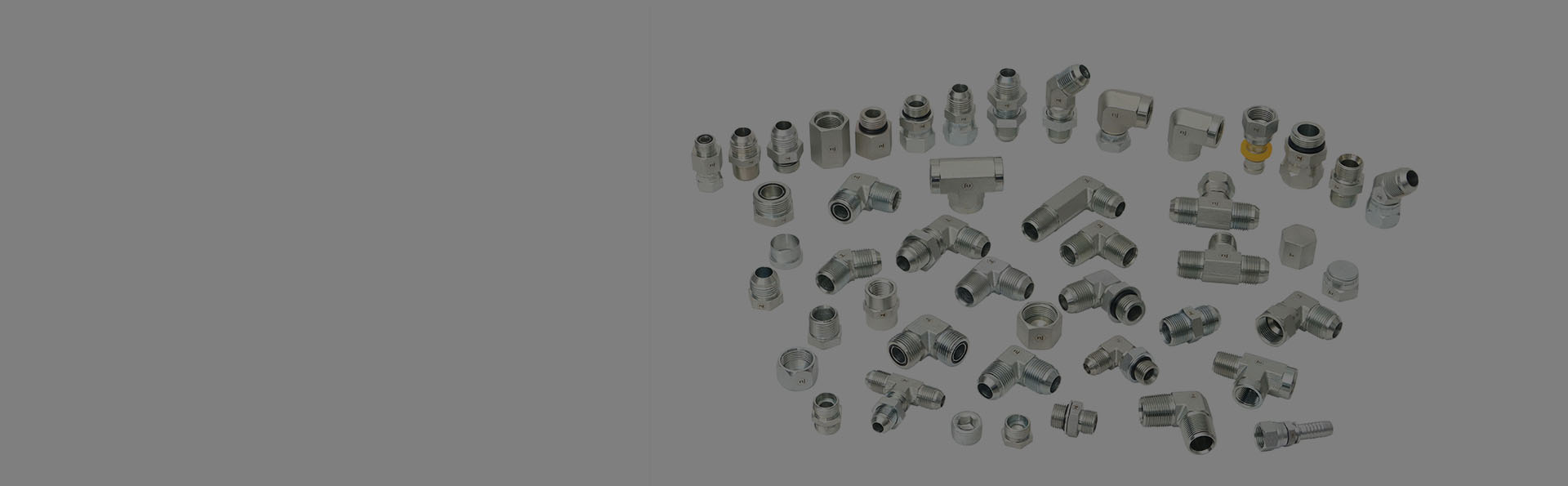
Giới thiệu
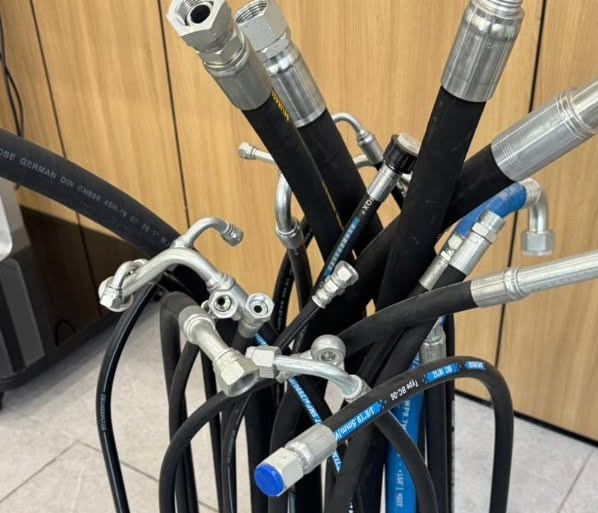
Choosing a replacement hydraulic hose is a risk-based decision, not a like-for-like swap. Pressure spikes, fluid temperature, routing constraints, bend radius, chemical compatibility, and external abrasion all influence whether a new hose will perform safely or fail early. This article explains how to match hose construction and materials to actual operating conditions, and why common failure modes such as fatigue, heat damage, and improper installation should shape the selection process. By the end, readers will have a practical framework for evaluating replacement options, reducing downtime, and lowering the chance of leaks, bursts, and secondary equipment damage.
Risk-based selection for hydraulic hose replacement
Hydraulic hose replacement is a critical maintenance intervention that demands rigorous risk assessment rather than simple component swapping. Industrial hydraulic systems frequently operate under extreme parameters, with system pressures routinely exceeding 5,000 psi and sometimes peaking above 10,000 psi (690 bar) in heavy-duty applications. Replacing a compromised line requires evaluating specific application risks to prevent catastrophic system failure, costly downtime, and severe safety hazards.
Key operating and environmental factors
Environmental and operational variables dictate the precise material and structural requirements for any replacement hose. Temperature extremes severely impact elastomer integrity; standard nitrile hoses typically withstand fluid temperatures between -40°C and +121°C, whereas specialized PTFE or EPDM core tubes are necessary for environments exceeding 150°C. Additionally, dynamic flexing cycles and minimum bend radius specifications must align with the physical routing of the machinery. Operating a hose at just 20% below its minimum bend radius can reduce its service life by up to 90%, accelerating wire braid fatigue and eventual rupture.
Common failure modes and consequences
Understanding historical failure mechanisms is essential for specifying an upgraded replacement. External abrasion remains the leading cause of hydraulic hose degradation, accounting for approximately 80% of premature failures in mobile equipment. When the outer cover wears away, the high-tensile steel reinforcement oxidizes and loses structural yield strength. Another severe failure mode is fitting blow-off, caused by improper crimp specifications or pressure spikes surpassing the hose's maximum working pressure. The consequences of such failures extend beyond mechanical downtime; a pinhole leak at 3,000 psi can inject hydraulic fluid into human tissue at velocities exceeding 600 feet per second, creating acute medical emergencies and exposing organizations to significant liability.
Verifying specifications before replacement
Accurate specification verification is the definitive safeguard against premature component failure during hydraulic hose replacement. Engineering and maintenance teams universally rely on the STAMPED methodology—Size, Temperature, Application, Material, Pressure, Ends, and Delivery—to systematically validate replacement parameters. Bypassing any of these criteria introduces systemic vulnerabilities, particularly when transitioning between different manufacturers or upgrading legacy equipment to modern standards.
Critical checks for compatibility and performance
Sizing the internal diameter (ID) accurately is paramount for maintaining optimal fluid velocity and minimizing turbulence. Industry standards dictate that fluid velocities should remain between 10 and 15 feet per second (ft/s) for pressure lines, and 2 to 4 ft/s for suction lines. An undersized hose increases fluid friction, generating excessive heat that degrades the elastomer core and reduces overall system efficiency by up to 15%. Conversely, oversized hoses complicate routing and increase the minimum bend radius. Engineers must also verify the pressure rating, ensuring the replacement hose's maximum working pressure equals or exceeds the system's maximum relief valve setting, while maintaining a standard 4:1 safety factor for burst pressure in dynamic applications.
Using comparison tables to confirm equivalence
When sourcing replacement components, cross-referencing industry standards ensures functional equivalence regardless of the brand. Using standardized comparison matrices prevents the inadvertent installation of underrated assemblies. The following table outlines standard SAE J517 specifications frequently referenced during replacement evaluations:
| Tiêu chuẩn SAE | Xây dựng | Max Operating Pressure (1/2" ID) | Ứng dụng tiêu biểu |
| 100R1 Type AT | Single steel wire braid | 2,000 psi (138 bar) | Hệ thống thủy lực áp suất trung bình |
| 100R2 Type AT | Double steel wire braid | 3,500 psi (241 bar) | High-pressure heavy machinery |
| 100R12 | Four-spiral steel wire | 4,000 psi (276 bar) | High-impulse, heavy-duty cycles |
| 100R15 | Six-spiral steel wire | 6,000 psi (414 bar) | Extreme high-pressure systems |
Consulting these parameters guarantees that the replacement hose structure can absorb the high-frequency pressure impulses characteristic of modern hydraulic circuits without succumbing to premature spiral fatigue.
Reducing failure risk in replacement decisions
Mitigating risk during hydraulic hose replacement requires a comprehensive approach that extends from the initial procurement strategy to the final installation torque. Even if the ideal hose is specified, improper assembly or substandard maintenance protocols can instantly compromise the system's integrity. Establishing stringent operational controls is therefore necessary to achieve maximum reliability and lifecycle value from hydraulic assets.
Execution steps for maintenance teams
Assembly and installation execution demands strict adherence to dimensional tolerances and cleanliness protocols. During fabrication, the hose must be cut with a specialized abrasive wheel, ensuring the cut angle deviates no more than 2 degrees from perfectly square; angled cuts lead to uneven seating within the vừa vặn and subsequent blow-offs. Following crimping, technicians must utilize digital micrometers to verify the crimp diameter against the manufacturer's exact specifications, strictly adhering to tolerances as tight as ±0.010 inches. Furthermore, prior to installation, the newly assembled hose must be pneumatically cleaned using foam projectiles to remove cutting debris. Contamination introduced during replacement is a leading cause of hydraulic pump failure, making it imperative to meet ISO 4406 cleanliness standards, typically targeting an 18/16/13 rating for high-pressure servo systems.
Procurement and maintenance policy controls
At the organizational level, robust procurement and inventory policies act as the first line of defense against replacement failures. Elastomeric compounds degrade over time, even in controlled storage environments. Procurement departments must enforce strict shelf-life management, adhering to the SAE J517 guideline, which stipulates a maximum shelf life of 10 years for bulk rubber hoses, provided they are stored away from ozone, direct sunlight, and temperatures exceeding 38°C. Additionally, maintenance policies should mandate the use of matched systems—where the hose, fittings, and crimping equipment are sourced from the same manufacturer. Mixing components from different suppliers invalidates performance warranties and increases the probability of unpredictable failure rates. Implementing a serialized tagging system for all new assemblies allows facilities to track service life, enabling predictive maintenance schedules before the hose reaches its mean time to failure (MTTF).
Các nội dung chính
· The most important conclusions and rationale for hydraulic hose replacement
• Cần kiểm tra kỹ thông số kỹ thuật, sự tuân thủ và rủi ro trước khi cam kết.
• Các bước tiếp theo thiết thực và những lưu ý mà người đọc có thể áp dụng ngay lập tức.
Câu Hỏi Thường Gặp
What should be checked first before hydraulic hose replacement?
Use the STAMPED method: Size, Temperature, Application, Material, Pressure, Ends, and Delivery. Confirm the replacement matches system requirements before ordering or installing.
Can I replace a hydraulic hose with the same size only?
No. Matching size alone is not enough. Verify pressure rating, temperature range, bend radius, hose material, and end fittings to avoid early failure or fitting blow-off.
Why is bend radius important in hose selection?
Routing below the minimum bend radius sharply shortens hose life. Keep bends within the manufacturer’s limit and use proper clamps or adapters where tight routing is unavoidable.
What is the most common cause of hydraulic hose failure?
External abrasion is a leading cause. Protect hoses from rubbing, inspect cover wear regularly, and add guards or sleeves in high-contact areas.
How do I confirm a replacement hose can handle system pressure?
Check that the hose working pressure meets or exceeds the system’s maximum relief valve setting. For dynamic hydraulic service, use assemblies with the proper safety factor and impulse capability.
Thành lập năm 2004, Công ty TNHH Bộ chuyển đổi thủy lực NingBo NJ chuyên sản xuất các phụ kiện thủy lực, bộ chuyển đổi thủy lực, phụ kiện ống mềm, bộ mặt bích chia, bộ chuyển đổi mặt bích, mặt bích, phụ kiện ống mềm tái sử dụng, vòng đệm, nắp và nút bịt, v.v., và bán ra toàn thế giới, đặc biệt là Bắc Mỹ, Nam Mỹ, Úc, Đức, Anh. Lịch sử hợp tác với khách hàng trong các ứng dụng thủy lực được thiết kế đặc biệt đã giúp NJ trở thành nguồn cung cấp được ưa chuộng trong ngành về các bộ chuyển đổi được sản xuất theo yêu cầu của khách hàng. Chúng tôi tự hào phục vụ các thị trường chính bao gồm: xây dựng, nông nghiệp, khai thác mỏ, thiết bị công nghiệp và nhiều hơn nữa. Tất cả các phụ kiện của NJ đều được sản xuất theo tiêu chuẩn cao nhất, đáp ứng các thông số kỹ thuật SAE/BRITISH/EATON/DIN và QUỐC TẾ. Chúng tôi kiểm soát toàn bộ quá trình sản xuất trong nước và quốc tế. NJ có lượng hàng tồn kho dồi dào, hơn 20,000 sản phẩm trong kho với hơn 25,000 dòng và kích cỡ phụ kiện, nhiều hơn gấp đôi so với các đối thủ cạnh tranh. Từ khi nhận được đơn đặt hàng cho đến khi hàng đến cơ sở của bạn, chúng tôi cam kết đáp ứng đúng thời hạn và yêu cầu giao hàng của bạn. Mục tiêu của chúng tôi là cung cấp các phụ kiện cho bạn nhanh nhất có thể — khi nào và ở đâu bạn cần — điều này cũng giúp bạn giảm thiểu chi phí tồn kho và vận chuyển. Cho dù bạn đang gặp trường hợp khẩn cấp hay nhu cầu thường xuyên, hãy gửi email cho chúng tôi. Chúng tôi sẽ cung cấp các phụ kiện bạn cần, cùng với chất lượng cao, dịch vụ hậu mãi tốt nhất và giá cả cạnh tranh mà bạn xứng đáng nhận được.